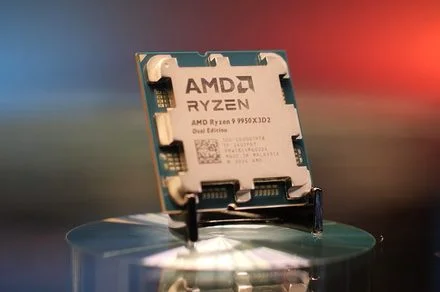
For years, Apple's entry-level iPad has prioritized affordability over raw performance, leaving the computational heavy lifting to the M-series-powered Pro lineup. That calculus may be shifting with the 2026 refresh.
Emerging intelligence suggests the base-tier tablet is poised for its most substantial performance leap in recent memory.
According to recent disclosures, the forthcoming 12th-generation iPad will integrate Apple's A18 silicon—a considerable advancement beyond the A16 processor in the existing iteration. This represents one of the most consequential generational upgrades Apple has delivered to its mainstream tablet in years.
Specifications point to meaningful capability expansion
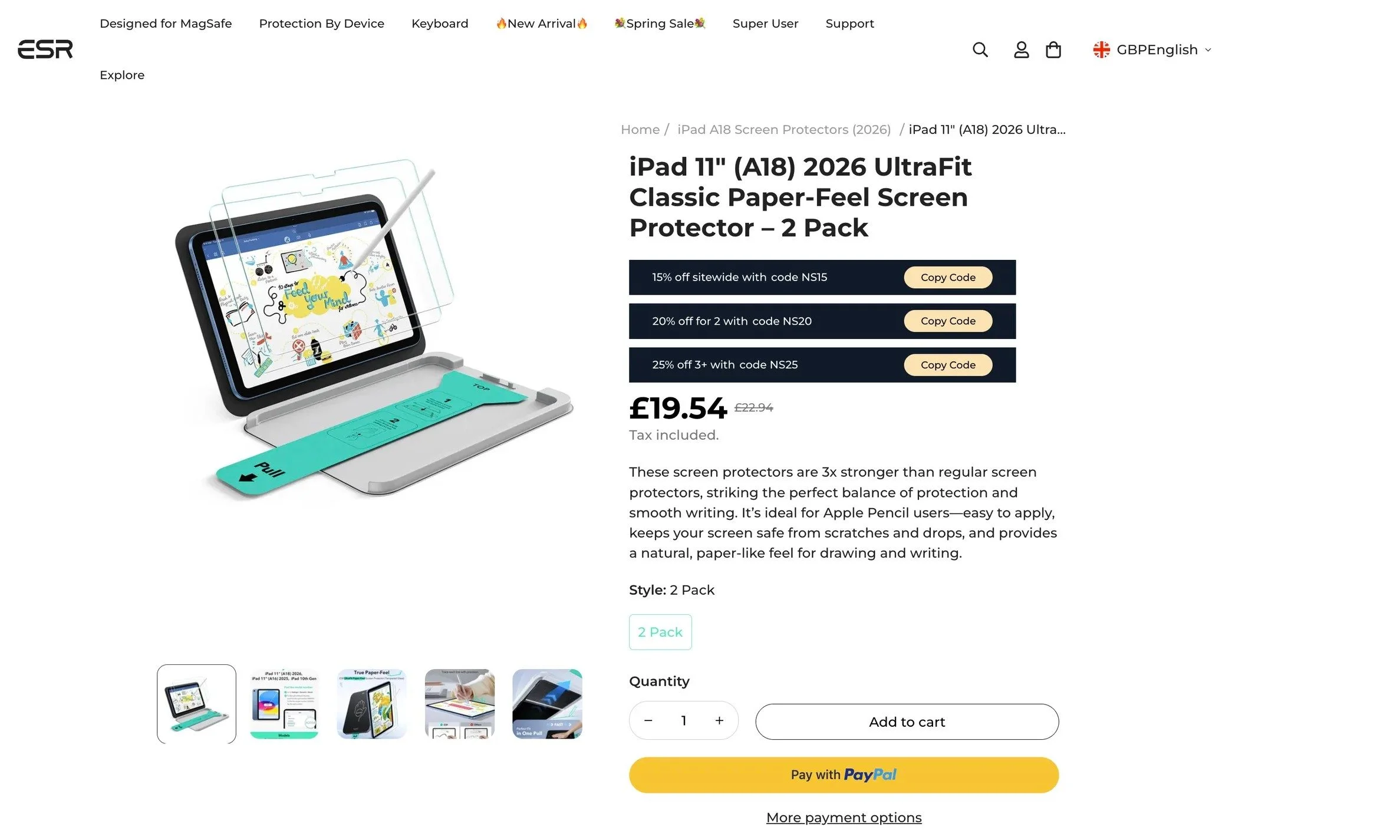
The specifications surfaced through an ESR accessory listing for an 11-inch screen protector designed for the unreleased device, which inadvertently disclosed processor specifications alongside dimensional data.
The centerpiece upgrade is the A18 system-on-chip, which could deliver performance gains exceeding 20% in aggregate workloads compared to its predecessor, with single-threaded operations potentially seeing improvements approaching 30%. For a product line traditionally positioned toward educational users, budget-conscious consumers, and iPad newcomers, this constitutes a notable capability expansion. Given that the A18 Pro variant already powers Apple's entry-level MacBook, the standard A18's 3-nanometer architecture and 6-core CPU configuration should meaningfully enhance concurrent application handling and general responsiveness.
Machine learning capabilities may democratize across the iPad lineup
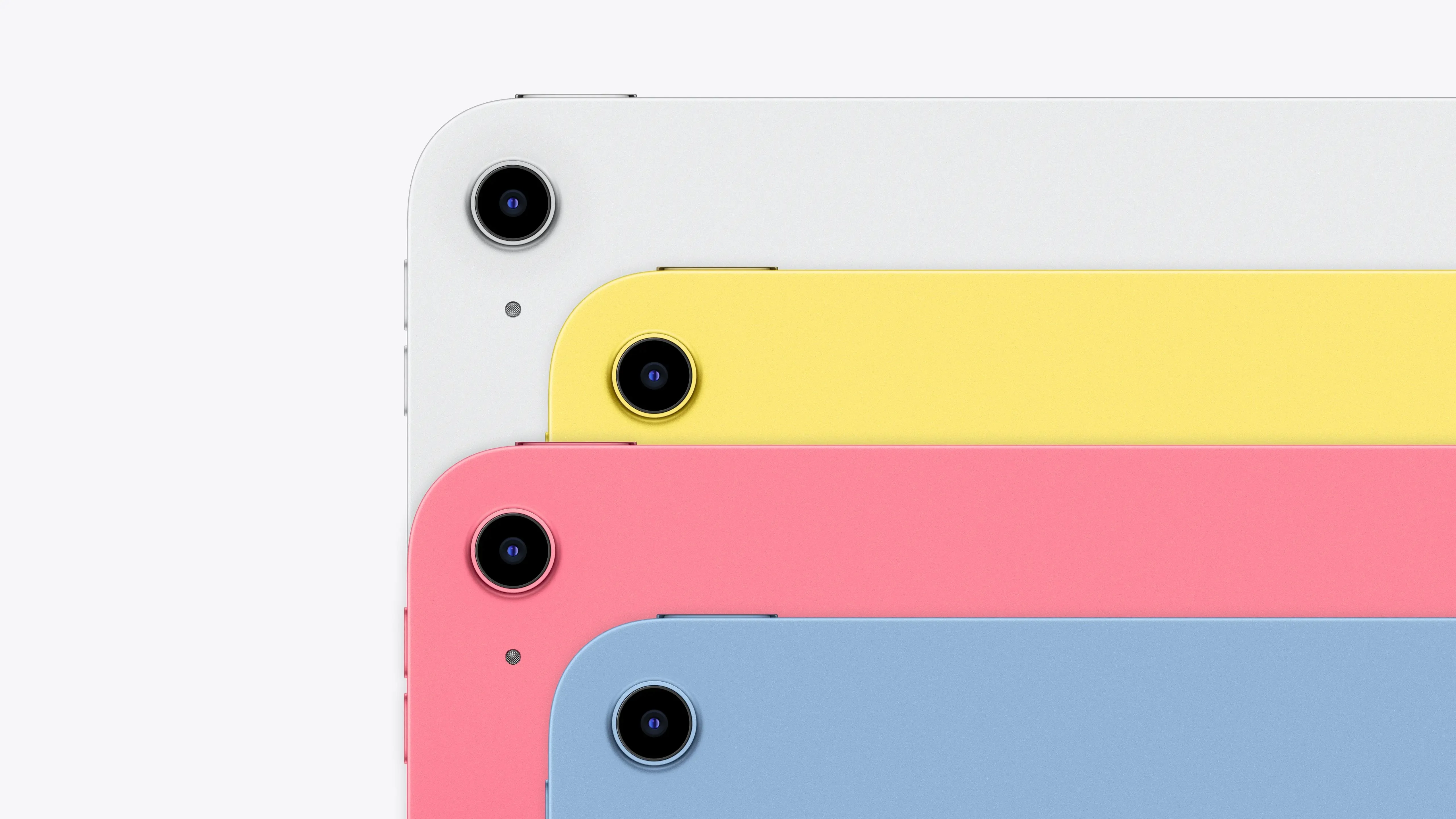
The silicon upgrade carries implications beyond benchmark scores. The strategic significance lies in artificial intelligence enablement.
The updated iPad is expected to incorporate 8GB of unified memory, satisfying the hardware prerequisites for Apple Intelligence functionality—capabilities conspicuously absent from the current base model. As Apple continues expanding its AI feature set across the product ecosystem, this refresh could eliminate the capability gap between the company's accessible and premium tablet offerings.
Industrial design remains evolutionary rather than revolutionary
Those anticipating a comprehensive aesthetic overhaul may find the 2026 iPad underwhelming. Apple appears to be channeling development resources toward internal architecture rather than external form factor, as the accessory listing reveals a chassis design consistent with the 2025 generation.