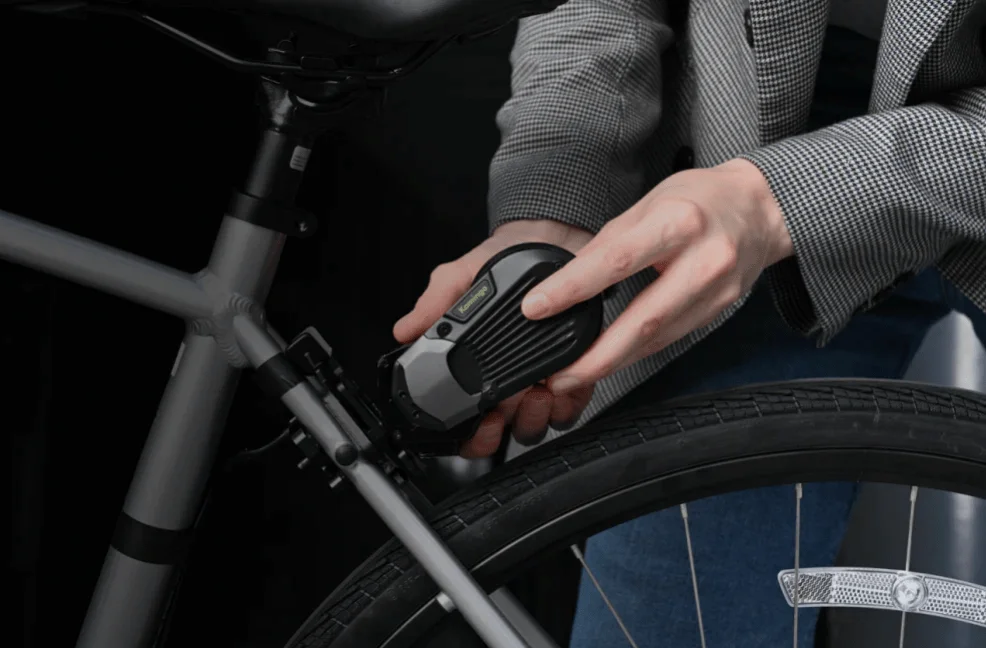
The electric bicycle sector has witnessed remarkable momentum as cities worldwide embrace sustainable transportation alternatives. While complete e-bike systems dominate retail channels, a Shenzhen-based innovator is pursuing a different approach: retrofitting existing bicycles with intelligent power assistance. Shenzhen Lufei Intelligent Innovation Technology Co., Ltd. has engineered a conversion solution that bridges conventional cycling with electric mobility.
Rather than manufacturing complete electric bicycles, Shenzhen Lufei Intelligent Innovation Technology specializes in modular electrification systems. The company's engineering philosophy centers on accessibility—enabling cyclists to enhance their existing equipment without replacing it entirely.
This retrofit-focused strategy addresses both economic and environmental considerations, extending the functional lifespan of traditional bicycles while introducing modern power-assist capabilities.
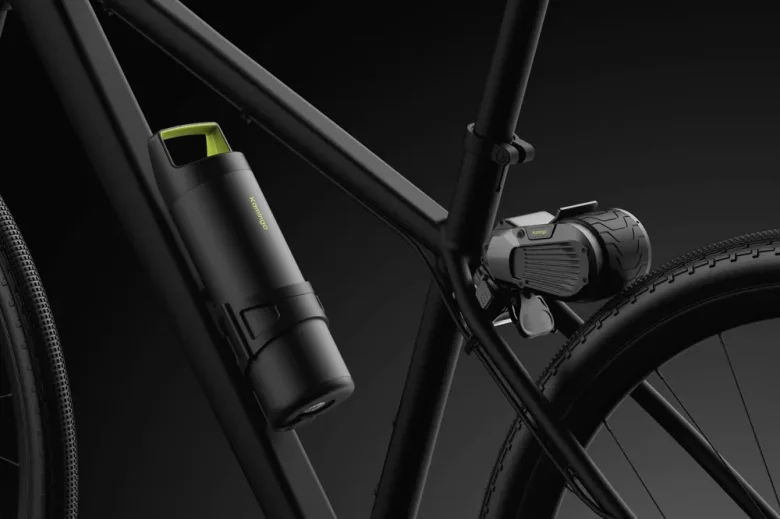
The flagship Kamingo system represents a departure from conventional e-bike architecture. This conversion kit integrates a hub-mounted motor, frame-attached battery pack, and sensor-driven control electronics into a unified assembly. Installation requires mounting the motor to the rear wheel hub, securing the battery and controller to the frame, and connecting the pedal-assist sensors—a process designed for tool-free execution.
Engineering constraints drove two fundamental design parameters: mass optimization and operational simplicity. At 2.3 kilograms total system weight, the kit maintains portability comparable to ultralight computing devices. Initial installation completes in approximately three minutes, while subsequent mounting and dismounting operations require roughly ten seconds—a specification targeting urban commuters who alternate between assisted and unassisted riding.
Power delivery specifications include a 750-watt peak output motor capable of sustained torque across varied gradients. The system offers three operational modes: full electric propulsion, proportional pedal assistance, and passive operation that preserves traditional cycling dynamics. Mode selection adapts to terrain demands and rider preference in real-time.
Energy storage utilizes 21700-format lithium cells selected for volumetric energy density. Under standardized test conditions, the battery configuration supports up to 90 kilometers of assisted range—adequate for typical urban commute distances and recreational excursions.
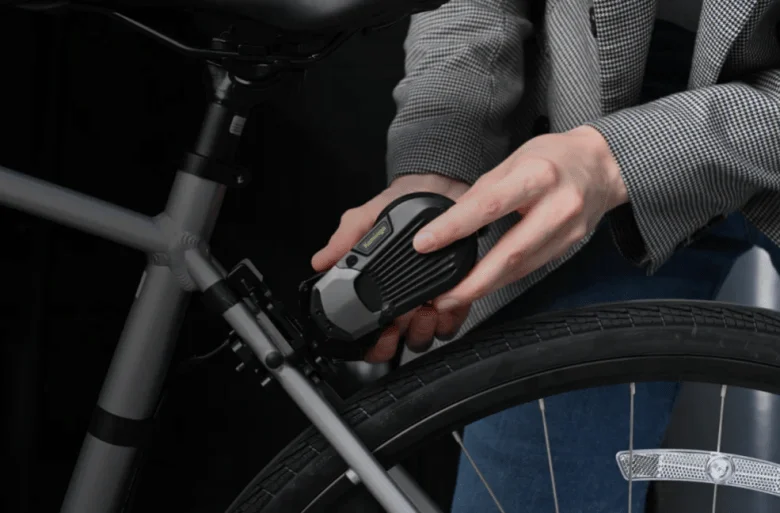
The underlying architecture employs modular integration, consolidating motor assembly, battery management, power electronics, and sensor arrays into a detachable unit. This contrasts with permanently integrated e-bike designs where drivetrain components remain fixed throughout the vehicle's service life.
The retrofit model eliminates the need for complete bicycle replacement, instead augmenting existing frames with electrification hardware. Removability and cross-compatibility with multiple bicycle geometries extend the kit's utility across diverse use cases while minimizing material consumption inherent in full-vehicle manufacturing.
Through the Kamingo conversion platform, Shenzhen Lufei Intelligent Innovation Technology addresses the electrification retrofit segment with a focus on portability and installation efficiency. As metropolitan transportation infrastructure evolves toward lower-emission modalities, modular power-assist technologies represent an emerging category within the broader micromobility ecosystem.