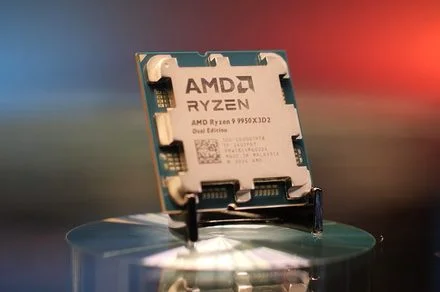
OpenClaw, an open-source framework for AI agents, has captured global attention as a pivotal development in artificial intelligence. Unlike conventional AI systems that primarily generate text or images, OpenClaw empowers AI to autonomously execute complex tasks—a capability that positions it as foundational infrastructure for the emerging agent-driven AI paradigm. Chinese tech firms have responded swiftly, launching a wave of commercial implementations that leverage the framework's task-execution architecture.
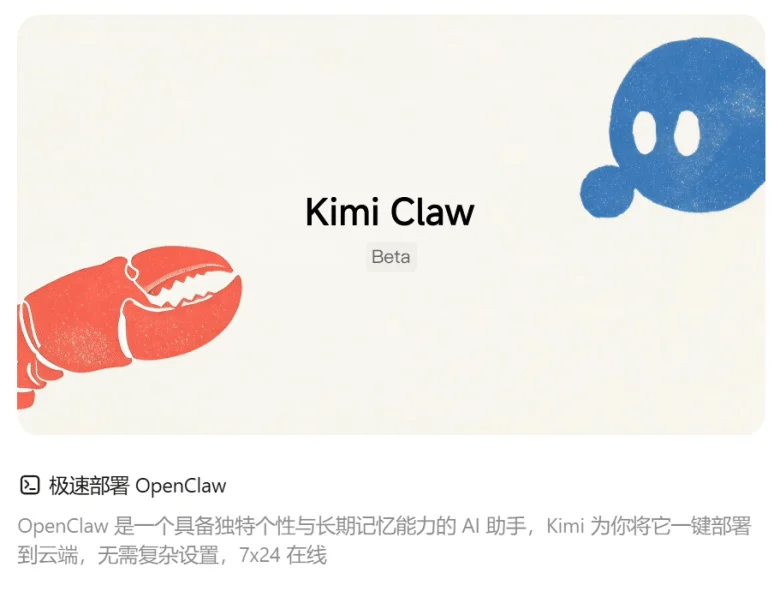
Moonshot AI emerged as an early mover with Kimi Claw, a native OpenClaw integration designed for accessibility. The platform's no-code deployment model and complimentary compute credits for OpenClaw API calls have democratized access to agent technology. This strategic positioning has catalyzed international growth, with paying users outside China multiplying rapidly—marking the first instance where the company's international revenue has eclipsed its domestic market performance.
MiniMax entered the arena with MaxClaw, a cloud-native AI assistant architected on OpenClaw's foundation. The service prioritizes operational efficiency and user experience, delivering a managed environment where organizations can deploy agents without maintaining local infrastructure.
Zhipu AI pursued a collaborative strategy, partnering with Alibaba Cloud's AgentBay platform to introduce AutoGLM–OpenClaw. This cloud-hosted solution, built atop an OpenClaw container image, enables enterprises to operationalize AI agents through cloud infrastructure, eliminating the overhead of on-premises deployment.
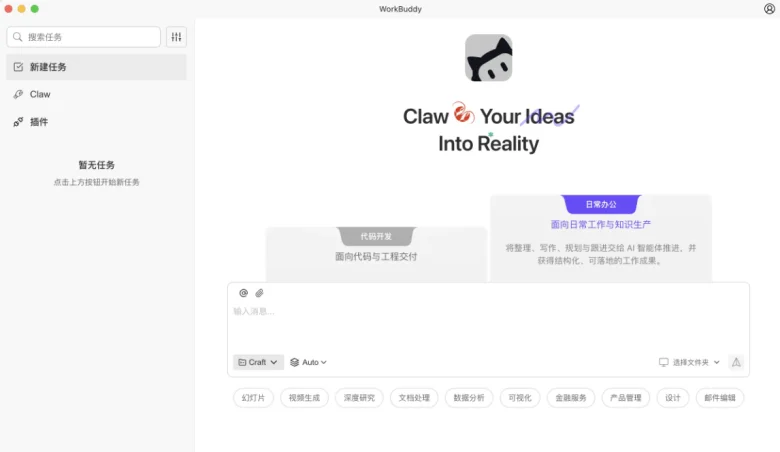
Tencent has staked its claim with WorkBuddy, an enterprise-focused AI assistant that bridges its cloud infrastructure and AI capabilities. The platform offers OpenClaw skill compatibility and provides access through WeCom or browser-based interfaces, enabling distributed teams to leverage AI-driven automation without complex technical setup.
WorkBuddy's design centers on workplace productivity and autonomous task completion. Its email management capabilities include intelligent content parsing, automated categorization, and rule-based response generation for routine correspondence.
The scheduling module analyzes participant calendars to identify optimal meeting times, then autonomously generates and distributes invitations. For document workflows, the system performs information extraction and produces executive summaries that distill lengthy materials into actionable insights.
China's aggressive adoption of OpenClaw signals a fundamental transition in AI development philosophy. The industry is moving from passive language models toward agentic systems that decompose objectives, query information sources, and orchestrate external APIs—transforming large language models from conversational interfaces into operational tools. This architectural shift has the potential to accelerate enterprise digitization across sectors.
The agent paradigm introduces new economic dynamics for AI providers. Task-oriented workflows generate substantially higher token throughput compared to conversational use cases, creating expanded monetization opportunities. Cloud infrastructure providers are simultaneously developing service offerings tailored to agent deployment patterns, laying groundwork for an emergent commercial ecosystem.
Yet this technological acceleration surfaces critical considerations. Expanded agent deployment amplifies data governance requirements, as these systems require access to sensitive user information and business processes. The automation capabilities inherent to AI agents may also precipitate workforce adjustments, as certain categories of repetitive knowledge work become candidates for machine execution.